The Art of Handmade Rugs: From Raw Wool to Timeless Craft
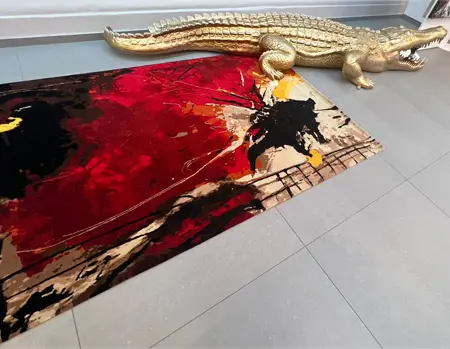
Handmade rugs have a way of bringing warmth, character, and history into a space. Unlike machine-made carpets, every handmade rug carries the story of the artisan who created it — their skill, patience, and creativity woven into every thread. But what actually goes into making a handmade rug?
Let’s walk through the beautiful, detailed process behind one of the world’s oldest crafts.
1. Choosing the Right Materials
The journey of a handmade rug begins long before the first knot is tied. The material determines the rug’s texture, durability, and appearance. Common fibers include:
Wool – soft, strong, and naturally stain-resistant
Silk – luxurious, fine, and often used for delicate designs
Cotton – usually used for foundation threads
Natural fibers like jute or hemp – earthy and rustic
Artisans carefully clean and sort the fibers, removing dirt and impurities. For wool, this often means washing, drying, and combing it into soft, workable strands.
2. Spinning the Yarn
Next, the fibers are spun into yarn. Traditionally, this is done using a hand-held spindle or spinning wheel. The skill here lies in maintaining an even thickness, because uneven yarn can affect the rug’s look and strength.
In many rug-making regions, families have been spinning yarn for generations — passing down techniques that create beautiful textures.
3. Natural Dyeing: Color from Nature
Before weaving begins, the yarn is dyed. Traditional rug makers use natural dyes made from:
Roots and tree bark
Flowers and leaves
Minerals and clay
Fruits, seeds, and even spices like turmeric
Each batch is carefully boiled with the dye materials to produce deep, lasting colors. Because natural dyes can vary slightly, they give handmade rugs that unique, slightly varied tone that makes them so special.
Some rugs use undyed wool as well, highlighting natural shades of cream, brown, and gray.
4. Preparing the Loom
The loom is the frame that holds the rug while it’s woven. The base threads — called the warp — are stretched tightly up and down the loom. A second set — the weft — runs horizontally.
Think of the warp as the skeleton of the rug. If it isn’t tight or aligned correctly, the whole rug can lose its shape. Setting up a loom takes time and precision, and it’s one of the most important stages.
5. Designing the Pattern
Some rugs follow traditional designs that have been used for centuries. Others are drawn by artisans themselves. Patterns may symbolize:
Nature
Cultural symbols
Tribal stories
Blessings and wishes for the home
Sometimes, a paper pattern is used. Other times, the weaver simply memorizes the design and works from experience — an incredible skill earned over years of practice.
6. Weaving and Knotting — The Heart of the Craft
This is where the magic truly happens.
For pile rugs, each knot is tied by hand around the warp threads, then trimmed with small shears. There can be thousands — even millions — of knots in a single rug. More knots usually mean finer detail and higher quality.
Flat-woven rugs (like kilims) don’t use knots. Instead, the yarn is woven through the foundation threads, creating patterns that lie flat.
This is slow, detailed work. A small rug can take weeks. Large rugs may take months — sometimes even years.
7. Trimming and Finishing
After weaving is complete, the rug is carefully trimmed to even out the surface. The edges are secured by hand-stitching so they won’t unravel.
Then comes washing — not just for cleaning, but also to soften the rug and enhance its colors. Once dry, the rug is stretched and checked for final details.
Every part is inspected: the edges, the pile height, the shape, and the quality of the knots.
8. Why Handmade Rugs Matter
Handmade rugs are more than floor coverings. They represent:
Cultural heritage — many designs have deep historical meaning.
Sustainability — natural fibers, natural dyes, long life.
Human craftsmanship — no machine can replicate the soul of hand-tied work.
They last decades — often becoming heirlooms passed down through families.
Final Thoughts
When you look at a handmade rug, you’re not just seeing color and pattern — you’re seeing the dedication of artisans who spent countless hours perfecting every inch. Each rug is one of a kind, carrying the heart and tradition of the people who made it.
If you ever bring one into your home, you’re not only decorating your space — you’re preserving a craft that has been alive for thousands of years.